

Spending More, Delivering Less: Germany’s Defence Finance Gap and the Case for a Multilateral Bank
Germany has committed to combined defence and security spending of 5% of GDP. This paper argues the binding constraint is institutional architecture, not fiscal capacity — and makes the case…
Read →
Towards a defence spending model
Blended finance, the Defence Security & Resilience Bank and a guaranteed private credit fund: re-assessing the financial infrastructure for defence in the UK and Europe.
Read →
Multilateral finance: securing the scalability and competitiveness of UK defence
Dr. Rebecca Harding on why multilateral financial architectures hold the key to scaling UK defence industry capacity while preserving long-term fiscal flexibility.
Read →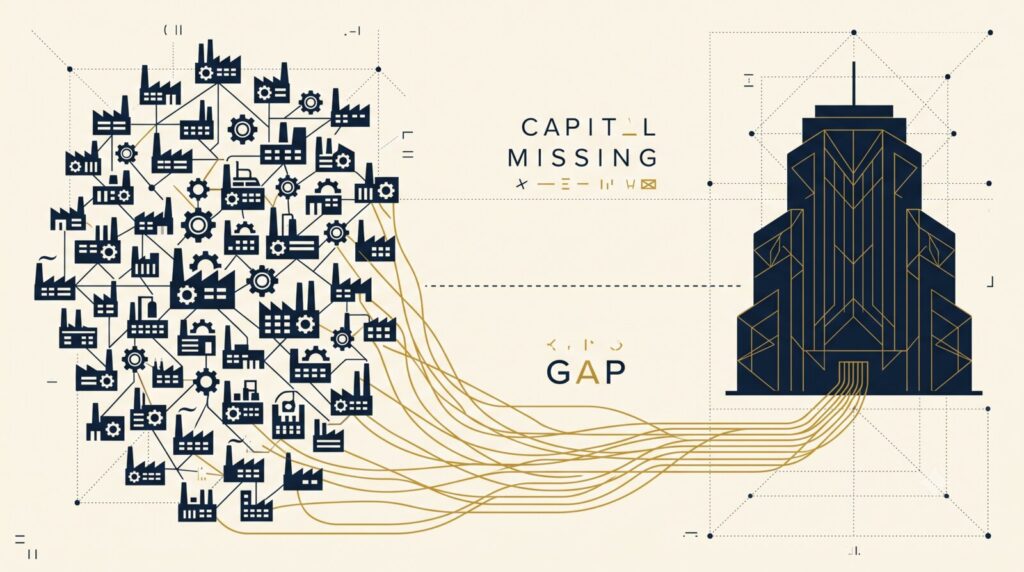
Germany’s defence SME finance gap: why access to capital is a strategic vulnerability
Germany's defence SMEs face a systemic access-to-finance challenge that has become a strategic vulnerability. Dr. Rebecca Harding on the evidence and the mechanisms.
Read →
Sweden’s defence SME finance gap: a policy briefing
Sweden's defence industrial model is highly capable but structurally constrained. Dr. Rebecca Harding examines why 380 firms sit alongside acute SME access-to-finance risk.
Read →
Norway’s defence SME finance gap: a policy briefing
85% of Norway's defence firms are SMEs, yet 70% of revenues sit with just four companies. Dr. Rebecca Harding on why this concentration matters.
Read →
South Korea’s defence SME finance gap: a policy briefing
South Korea's export-oriented defence industrial base is dominated by conglomerates. Dr. Rebecca Harding on the country's SME finance architecture.
Read →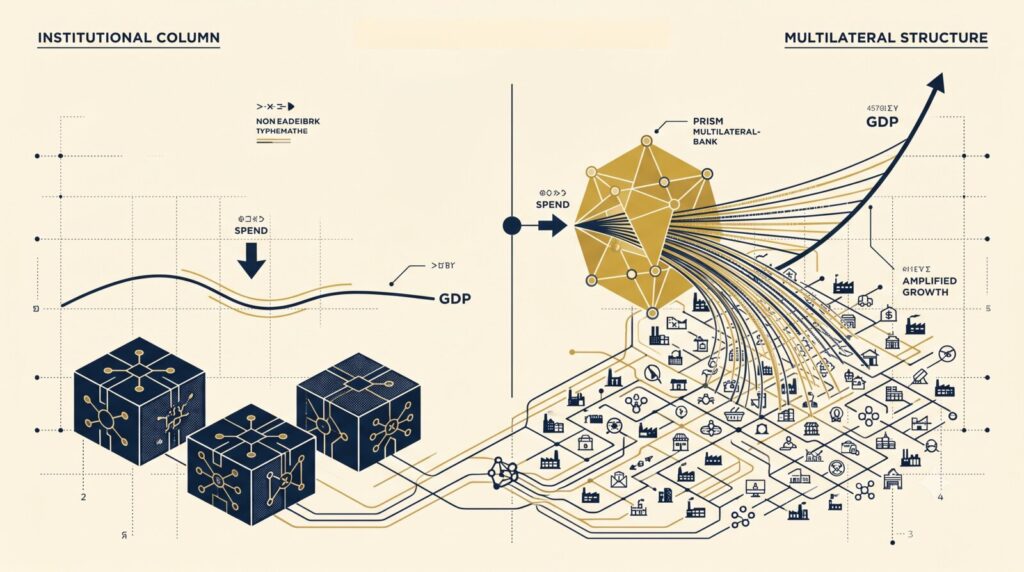
Financing defence for growth and resilience: multipliers, multilateral banks, and the structure of collective security finance
Defence spending alone has modest and short-lived effects on growth. Dr. Rebecca Harding on why the STRUCTURE of defence finance is what turns spending into sustained resilience.
Read →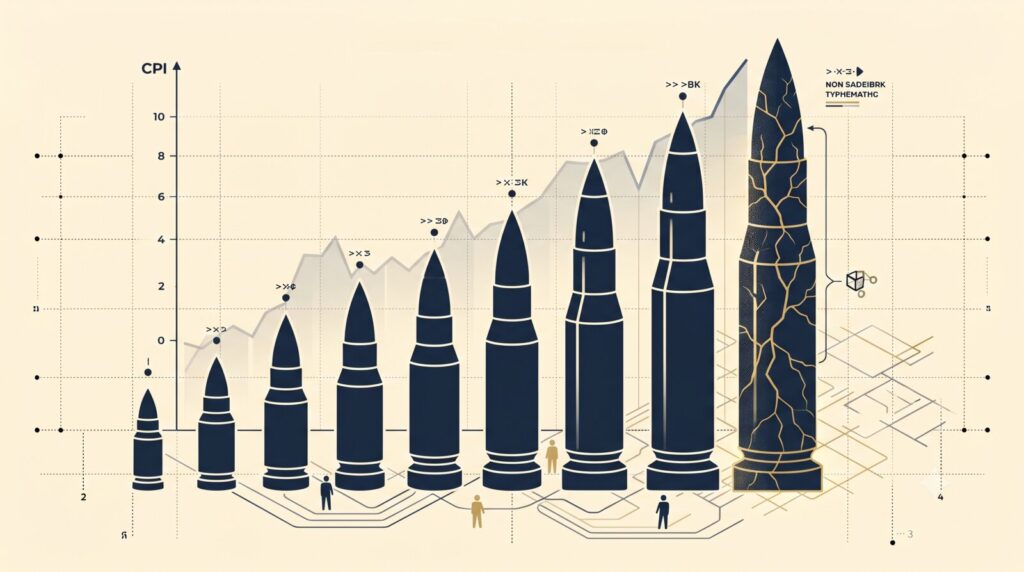
Defence inflation and the erosion of military capability
Artillery ammunition prices have risen several hundred percent since 2021. Dr. Rebecca Harding on how defence inflation is eroding NATO military capability.
Read →