About
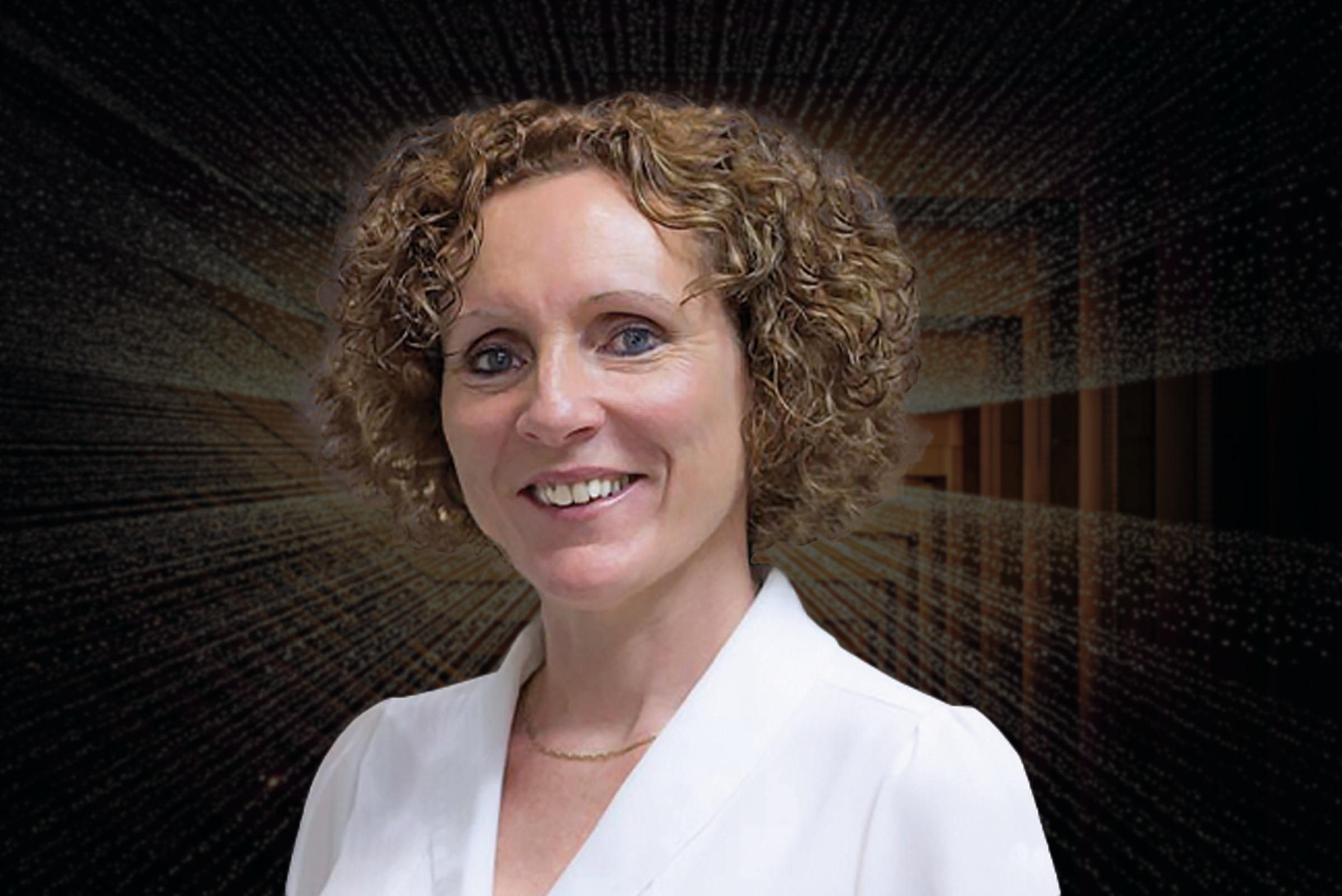
Dr Rebecca Harding
My father was trained as an economist but spent his life as a sociologist. My first economics lesson was with him, and his words ring true to this very day. “Remember, Rebecca, that economics is wrong. People don’t behave rationally in an economic sense, and if we can’t assume people are rational, then the rest of the discipline falls apart.” That sense of challenge has defined my career in economics, although the post-script to the statement was equally important: “Don’t study sociology, study economics. The job prospects are better,” proving perhaps that people do behave rationally after all.
My career has spanned some epoch-defining shifts in the role of economics in the world — through monetarism, the end of the Cold War and mercantilism (or so we thought), two paradigm shifts in technology and, of course, globalisation back to economic nationalism again.
What has been constant through all this is not the subject or the frameworks, but the tools and the methodologies it gives us for understanding a world characterised by constant change. How economic and technological systems adapt to change determines how they compete, how their societies adjust and how they guarantee their long-term economic security. Through all this, economists have perhaps underplayed the role that politics plays in projecting the power embodied in national economies and their industries. The mantra “it’s not governments that trade, it’s businesses”, so characteristic of globalisation, has become a horrible reminder that strategic competition is no longer an accurate reflection of the economic conflict the world now finds itself in.
I’d love to return to the era of one of my first economics tutors, who said, “Don’t let politics into my classroom — it messes my models up,” but sadly that is not where we are now. I hope there is enough in these pages to reflect my intellectual journey through the discipline, and through the geopolitics and geoeconomics of the 21st century.
Mission & values
Economics that shapes decisions.
Rebeccanomics was founded in 2016 on a simple conviction: that economics should be practical, accessible and relevant to the decisions governments, businesses and financial institutions make every day.
As the global economy has become shaped by geopolitical competition, technological change and evolving security challenges, the work has expanded to the wider question of how economic systems create resilience, competitiveness and long-term prosperity.
The principles that have guided the practice since 2016: intellectual independence, analytical rigour and practical relevance.
Credentials
Selected roles & recognition
Economist specialising in economic security, trade, finance and industrial strategy.
Author of 11 books, numerous refereed journal publications, and over 250 commissioned reports and policy papers.
Founder and Chief Executive of Rebeccanomics.
Chief Executive of the Centre for Economic Security.
Architect of the Productive Security framework, integrating economic growth, innovation, finance and national security.
Convenor of the Future of Security dialogue, bringing together leaders from government, defence, finance, industry and academia.
Lead researcher on Societal Return on Investment (SROI) and sustainability frameworks for the International Trade and Forfaiting Association (ITFA).
Founder of three data and trade modelling businesses.
Adviser to governments, financial institutions, international organisations and multinational businesses, including the UK Treasury Select Committee, the British Foreign Policy Group and the Defence, Security and Resilience Bank Development Group.
International keynote speaker, moderator and strategic facilitator on economic security, defence finance and global trade.
Former Chief Economist, UK Finance.
Former Head of Corporate Research, Deloitte.
Former Senior Fellow, London Business School.
Research and advisory work spanning more than twenty-five years across Europe, North America, Africa and Asia.
Regular commentator and contributor to international media on trade, economics and economic security.
Books
The trilogy

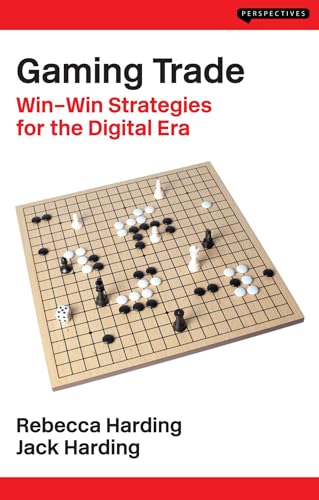
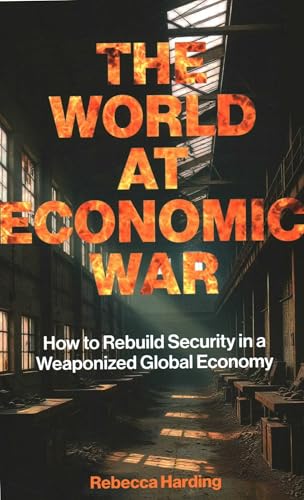

Economics for a world in strategic transition. Independent research and strategic advisory by Dr Rebecca Harding.
© 2026 Rebeccanomics · rh@rebeccanomics.com · Independent · analytical · practical · Site built by W’A.I