
Spending More, Delivering Less: Germany’s Defence Finance Gap and the Case for a Multilateral Bank
Germany has committed to combined defence and security spending of 5% of GDP. This paper argues the binding constraint is institutional architecture, not fiscal capacity — and makes the case for a multilateral Defence, Security and Resilience Bank.
South Korea’s defence SME finance gap: a policy briefing

South Korea’s export-oriented defence industrial base is dominated by conglomerates. Dr. Rebecca Harding on the country’s SME finance architecture.
Sweden’s defence SME finance gap: a policy briefing
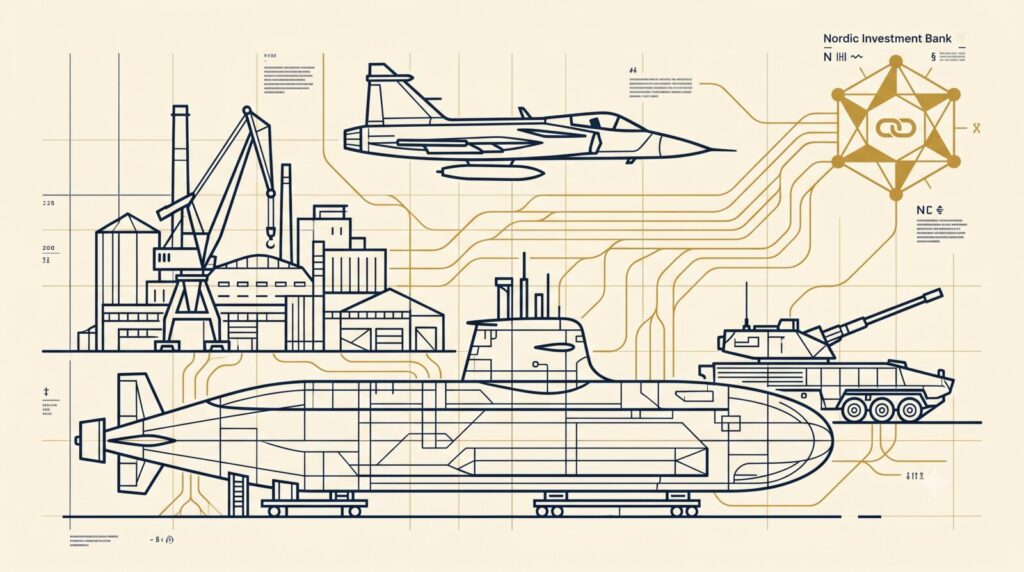
Sweden’s defence industrial model is highly capable but structurally constrained. Dr. Rebecca Harding examines why 380 firms sit alongside acute SME access-to-finance risk.
Germany’s defence SME finance gap: why access to capital is a strategic vulnerability
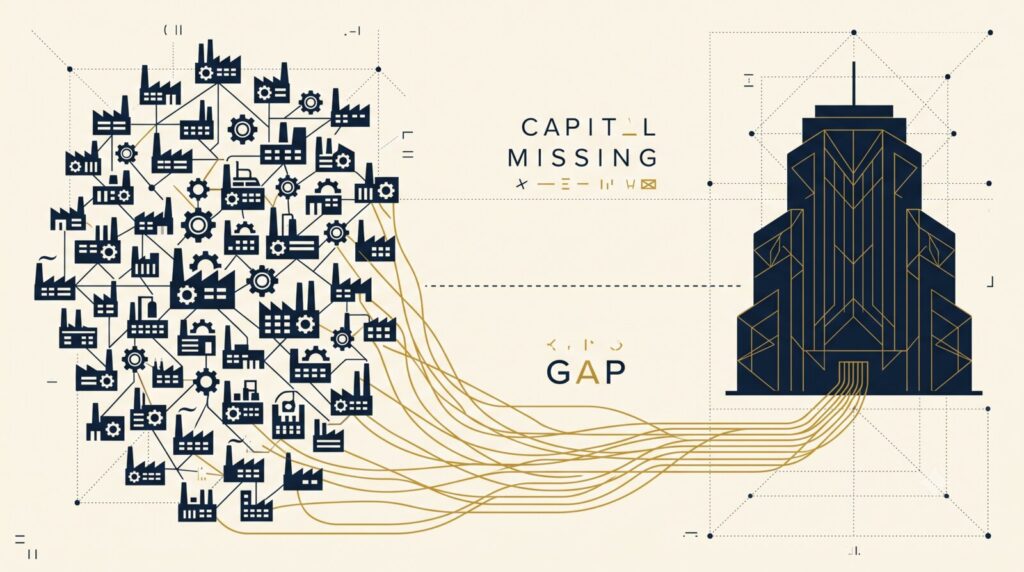
Germany’s defence SMEs face a systemic access-to-finance challenge that has become a strategic vulnerability. Dr. Rebecca Harding on the evidence and the mechanisms.
Multilateral finance: securing the scalability and competitiveness of UK defence

Dr. Rebecca Harding on why multilateral financial architectures hold the key to scaling UK defence industry capacity while preserving long-term fiscal flexibility.
The Future of Security and Bretton Woods 2.0

The West cannot deter military threats while ignoring the reality of economic war. Dr. Rebecca Harding argues that a Bretton Woods 2.0 moment is now an urgent priority for political leaders.
Norway’s defence SME finance gap: a policy briefing
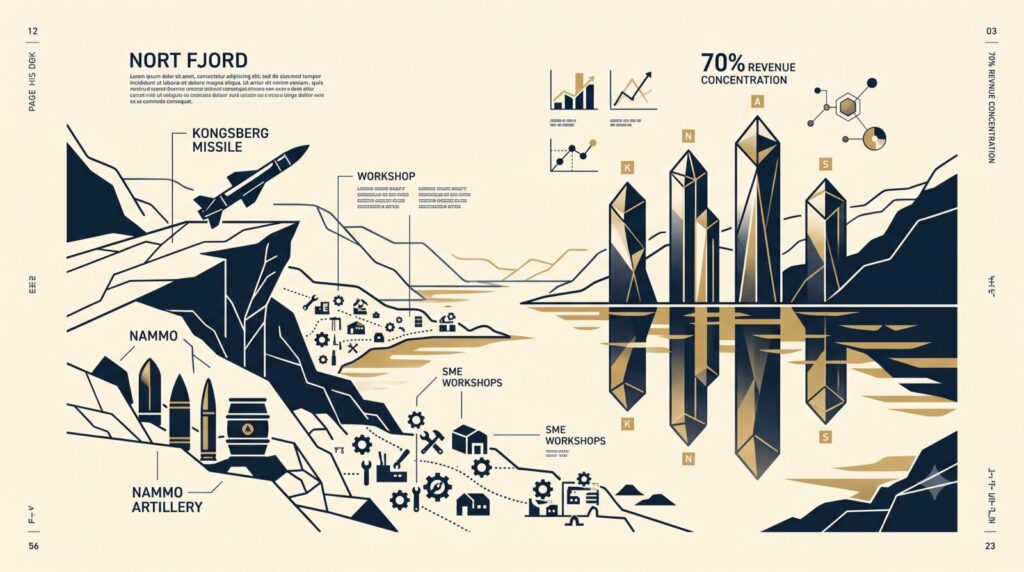
85% of Norway’s defence firms are SMEs, yet 70% of revenues sit with just four companies. Dr. Rebecca Harding on why this concentration matters.
Defence inflation and the erosion of military capability
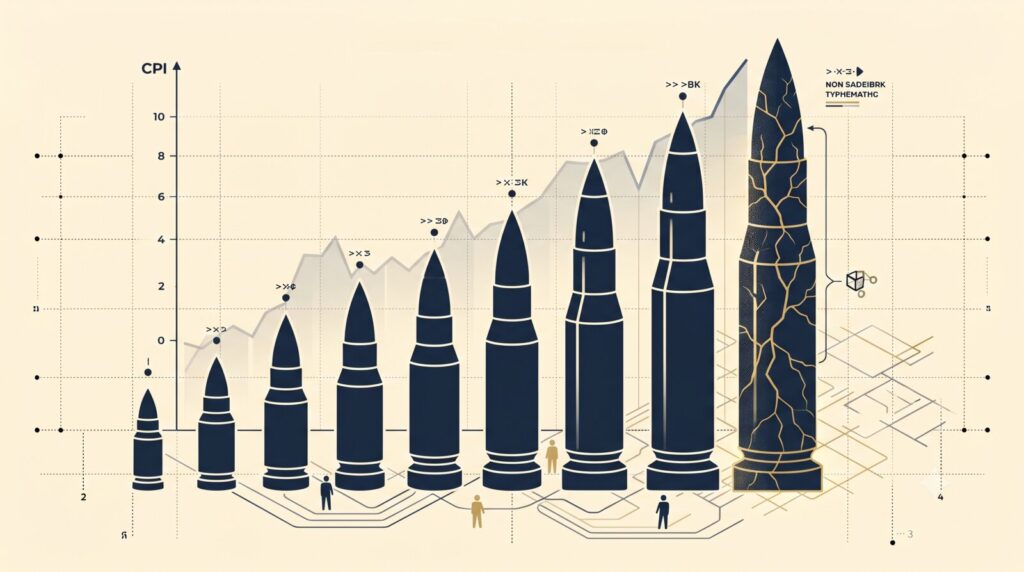
Artillery ammunition prices have risen several hundred percent since 2021. Dr. Rebecca Harding on how defence inflation is eroding NATO military capability.
Financing defence for growth and resilience: multipliers, multilateral banks, and the structure of collective security finance
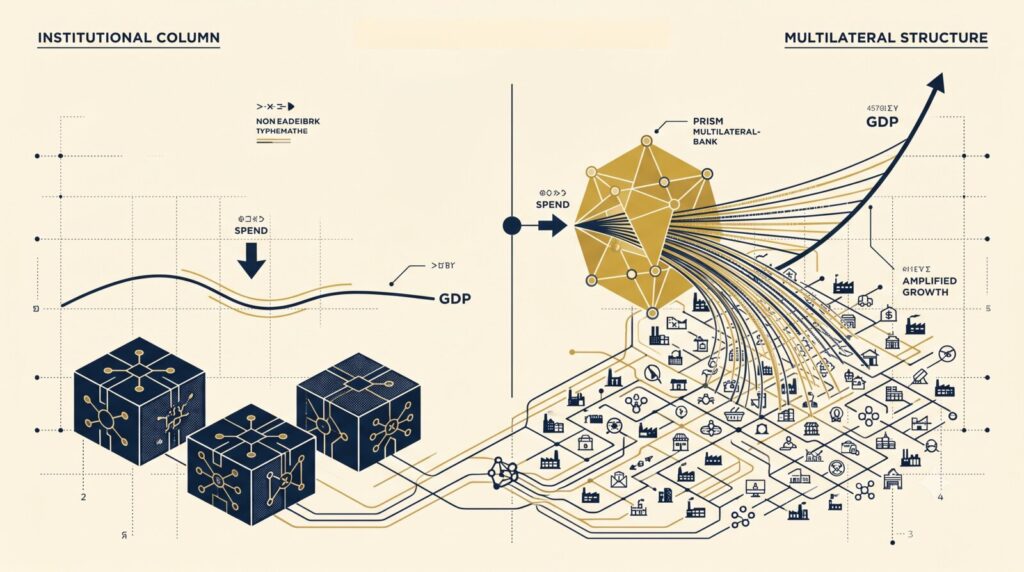
Defence spending alone has modest and short-lived effects on growth. Dr. Rebecca Harding on why the STRUCTURE of defence finance is what turns spending into sustained resilience.
Trade Treasury Payments: There’s no new normal

The clue is in the name: Liberation
Day. When President Trump
announced at the beginning of his
speech that he was declaring the
independence of the United States
from the global trade system, this
was not a negotiation. The rhetoric
used was violent: “America has
been looted, pillaged and raped
by other countries.” The scale of the
tariffs imposed was unprecedented
—a minimum of 10% and for some,
notably China, much higher.