
Defence inflation and the erosion of military capability
Artillery ammunition prices have risen several hundred percent since 2021. Dr. Rebecca Harding on how defence inflation is eroding NATO military capability.
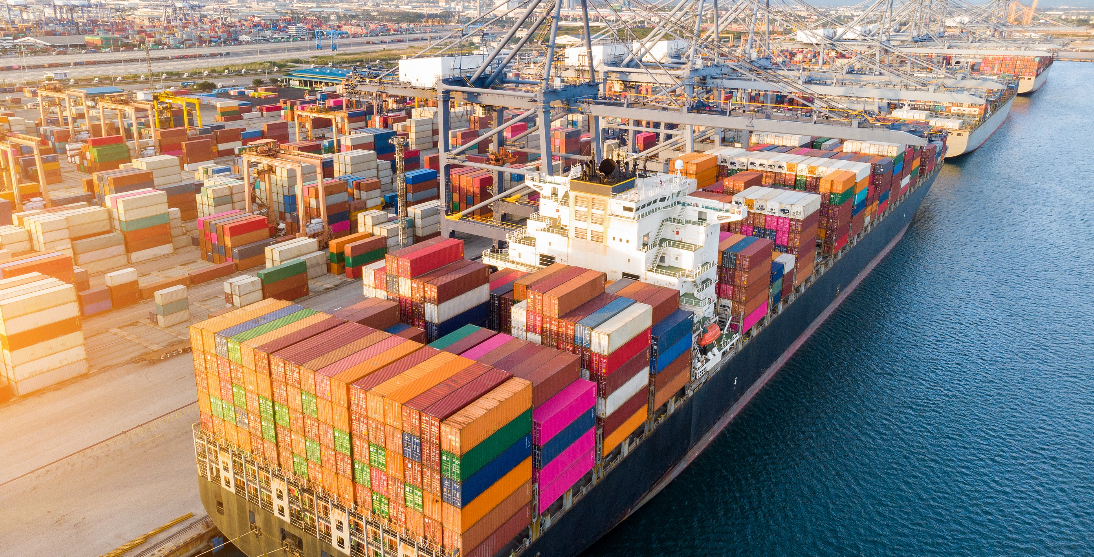
As the pandemic and geopolitics have shown, global supply chains today are dangerously fragile. Disruptions ripple across the world quickly when key links break. But by combining AI analytics with real-time satellite data, companies will soon have unmatched visibility into potential breaks anywhere on the planet.
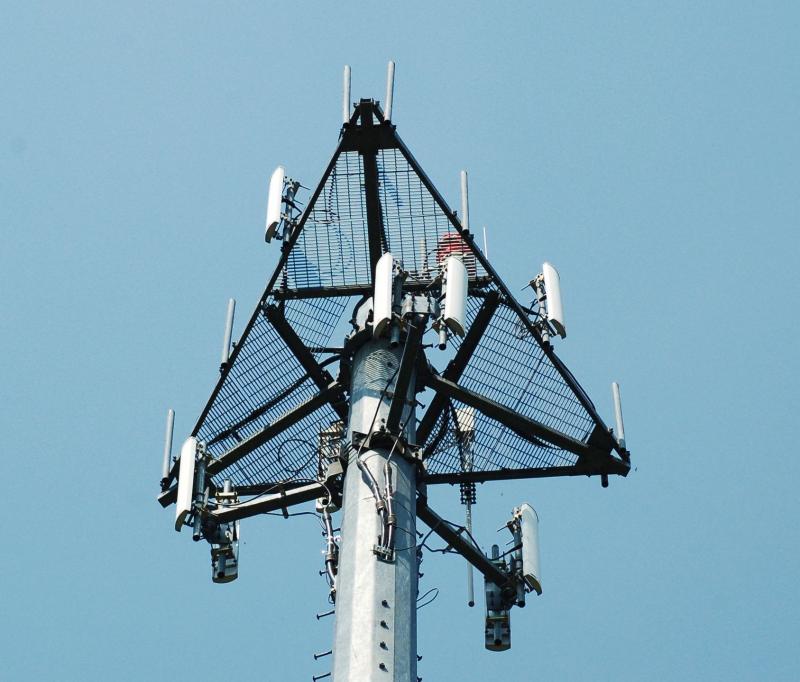
Satellites like those from Maxar Technologies can provide incredibly detailed imagery of ports, highways, railways, and other logistics infrastructure worldwide. AI algorithms can then analyse these images to detect anomalies and events threatening flows. Satellite links also enable continuous data from in-transit shipping containers. This space-based snapshot enables proactive risk assessment unmatched by traditional supply chain data.
With enough lead time, companies can reroute orders and shipments to avoid emerging trouble spots. They can also pre-emptively ramp up inventory buffers based on AI-predicted disruption probability. The ultimate result is supply chains with a level of visibility once reserved for military operations. As companies implement space-based resilience capabilities, global trade will grow far less fragile. The chain will only be as strong as its weakest link, but from the sky, even the weakest links will be clearly visible.

Artillery ammunition prices have risen several hundred percent since 2021. Dr. Rebecca Harding on how defence inflation is eroding NATO military capability.

Defence spending alone has modest and short-lived effects on growth. Dr. Rebecca Harding on why the STRUCTURE of defence finance is what turns spending into sustained resilience.

South Korea’s export-oriented defence industrial base is dominated by conglomerates. Dr. Rebecca Harding on the country’s SME finance architecture.

85% of Norway’s defence firms are SMEs, yet 70% of revenues sit with just four companies. Dr. Rebecca Harding on why this concentration matters.

Sweden’s defence industrial model is highly capable but structurally constrained. Dr. Rebecca Harding examines why 380 firms sit alongside acute SME access-to-finance risk.

Germany’s defence SMEs face a systemic access-to-finance challenge that has become a strategic vulnerability. Dr. Rebecca Harding on the evidence and the mechanisms.

Dr. Rebecca Harding on why multilateral financial architectures hold the key to scaling UK defence industry capacity while preserving long-term fiscal flexibility.

The West cannot deter military threats while ignoring the reality of economic war. Dr. Rebecca Harding argues that a Bretton Woods 2.0 moment is now an urgent priority for political leaders.
Contact
Services
About
Insights
Rebecca’s Bio
Terms and conditions
Privacy